Dead Tree Removal in Doylestown, PA
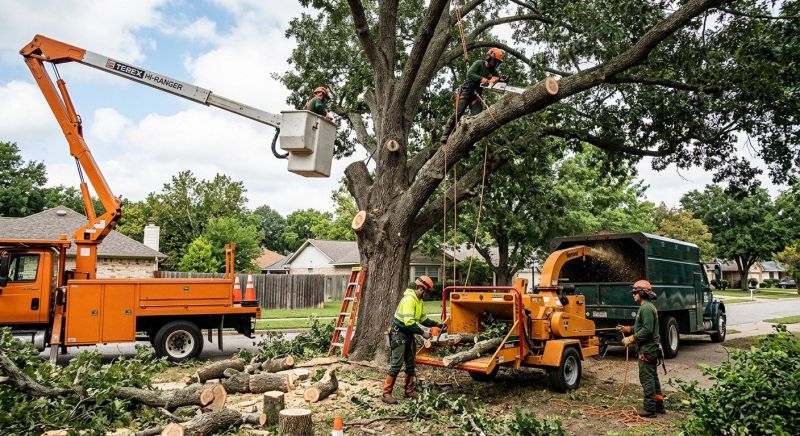
Dead tree removal services involve safely and efficiently removing trees that are dead, dying, or pose a risk to property and safety. This type of project typically includes assessing the tree’s health, determining the safest removal method, and then carefully cutting and removing the tree and its debris. Homeowners often request this service to prevent potential damage from falling branches or the entire tree, especially in cases where the tree is located near structures, power lines, or high-traffic areas.
Property owners considering dead tree removal should understand the importance of proper assessment and planning before proceeding. It’s common to inquire about the scope of work, including whether the removal will involve stump grinding or if additional cleanup is needed afterward. Clarifying these details helps ensure the project aligns with safety standards and property maintenance goals, reducing the risk of damage and maintaining the overall appearance of the landscape.
Many property owners in Doylestown, PA look into Dead Tree Removal for repairs, replacements, upgrades, and appearance-related improvements.
Reasons To Remove Dead Trees
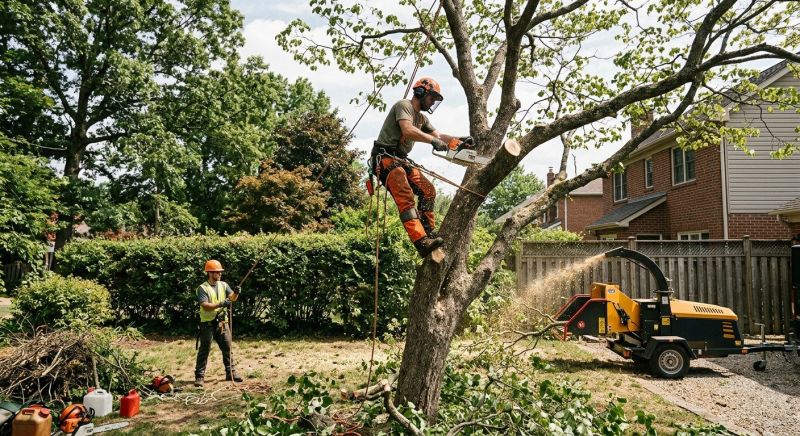
Removing dead trees helps prevent potential property damage and safety hazards.
Signs A Tree Needs Removal
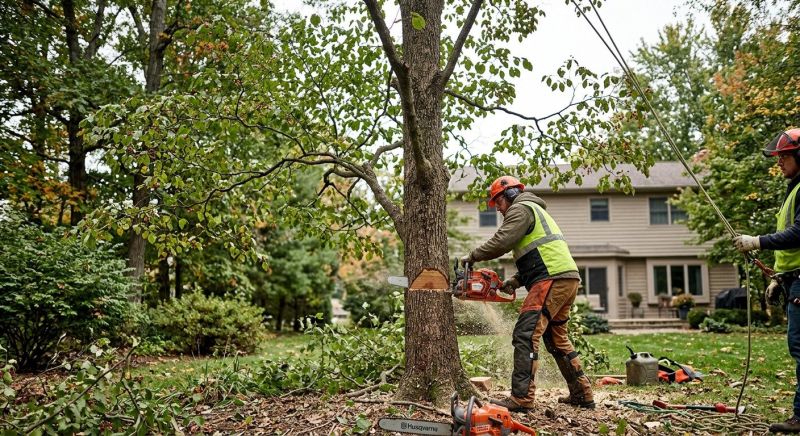
Indicators include dead branches, leaning trunks, or visible decay.
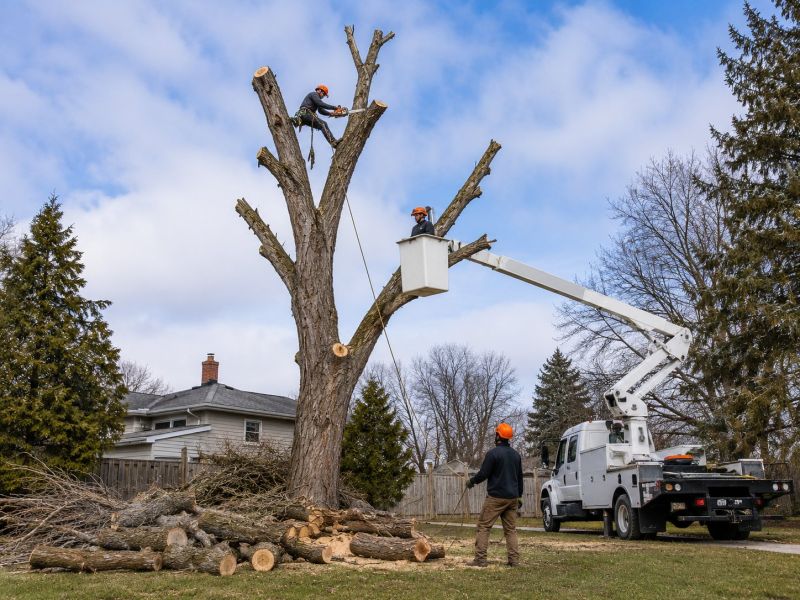
Safety And Cleanup Considerations
Proper removal ensures safety and minimizes cleanup around residential and commercial properties in doylestown, pa.
Dead Tree Removal in Doylestown, PA
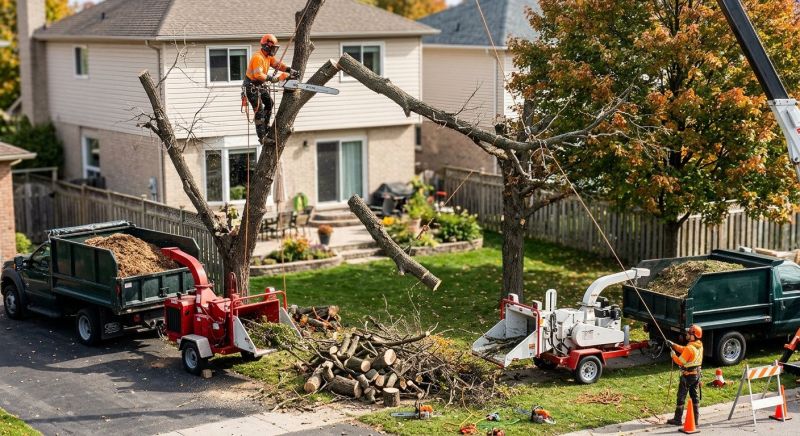
Dead tree removal services involve safely and efficiently removing trees that are dead, dying, or pose a risk to property and safety. This type of project typically includes assessing the tree’s health, determining the safest removal method, and then carefully cutting and removing the tree and its debris. Homeowners often request this service to prevent potential damage from falling branches or the entire tree, especially in cases where the tree is located near structures, power lines, or high-traffic areas.
Property owners considering dead tree removal should understand the importance of proper assessment and planning before proceeding. It’s common to inquire about the scope of work, including whether the removal will involve stump grinding or if additional cleanup is needed afterward. Clarifying these details helps ensure the project aligns with safety standards and property maintenance goals, reducing the risk of damage and maintaining the overall appearance of the landscape.
Many property owners in Doylestown, PA look into Dead Tree Removal for repairs, replacements, upgrades, and appearance-related improvements.
Common Dead Tree Removal Jobs
Dead Tree Removal - safely eliminates hazardous or decaying trees that threaten property safety.
Stump Grinding - removes tree stumps to improve landscape appearance and prevent pest issues.
Emergency Tree Removal - handles urgent situations involving fallen or unstable dead trees.
Selective Dead Tree Removal - targets specific trees to maintain landscape health and aesthetics.
Complete Tree Removal - clears entire dead or diseased trees to prevent damage to structures or power lines.
Property Cleanup - disposes of debris resulting from dead tree removal for a tidy yard.
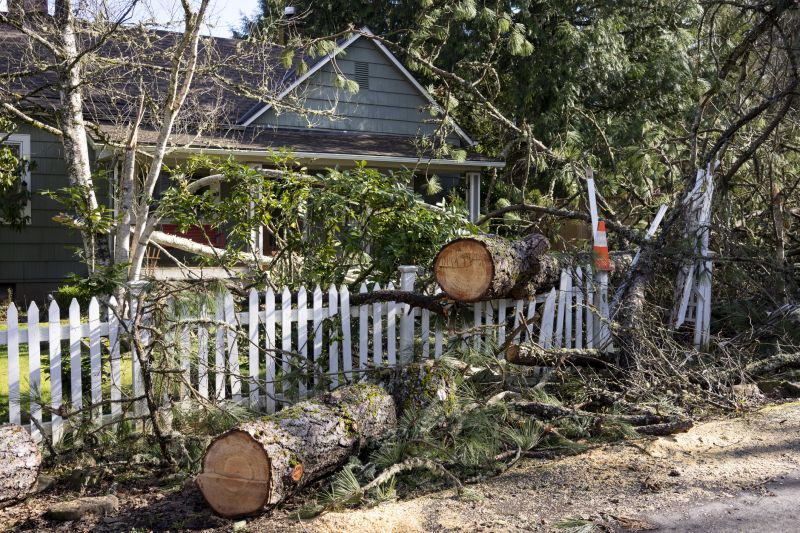
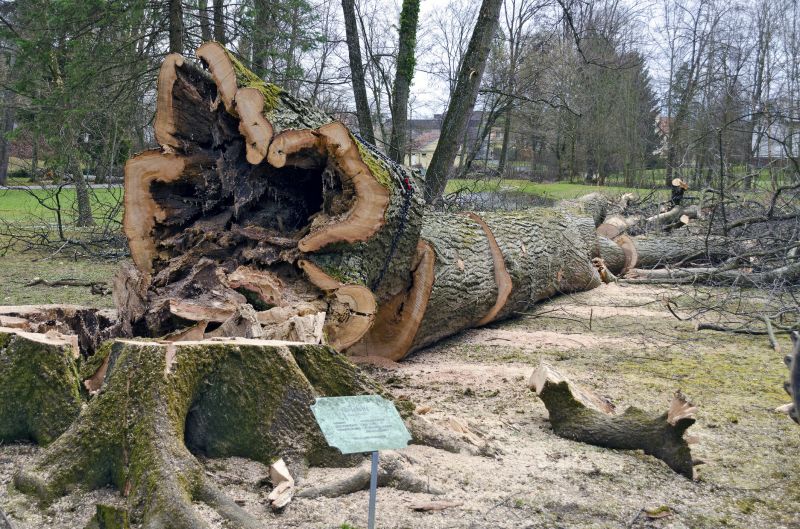
Dead Tree Removal Questions
Why remove dead trees? Dead trees can pose safety hazards and may attract pests or disease to nearby healthy plants.
Is dead tree removal necessary for property safety? Yes, removing dead trees reduces the risk of falling branches or the entire tree causing damage or injury.
What types of trees are typically removed? Dead or severely damaged trees, regardless of species, are commonly removed to protect property and landscape health.
How does dead tree removal impact landscaping? Removing dead trees can improve the appearance of a property and make space for new planting or other landscape features.
Request Dead Tree Removal in Doylestown, PA
Use the quote form on this page to share the basics of your project and request more information for the type of work you need.